Durable Upgrade ROI Focus Done Right Now
Enhance Your Home: Crucial Insights About Home Remodeling Services for Every Homeowner
Property owners frequently look for options to upgrade their homes through remodeling services. These renovations extend from small kitchen fixes to comprehensive home makeovers. Being aware of the possibilities is crucial for making informed decisions. Moreover, one must consider practical considerations such as setting a budget and choosing the right builder. When property owners embark on this process, they may run into surprising obstacles. The secret to a great renovation depends on thorough design and implementation. What steps should be taken next?
Understanding the Different Types of House Improvement Projects

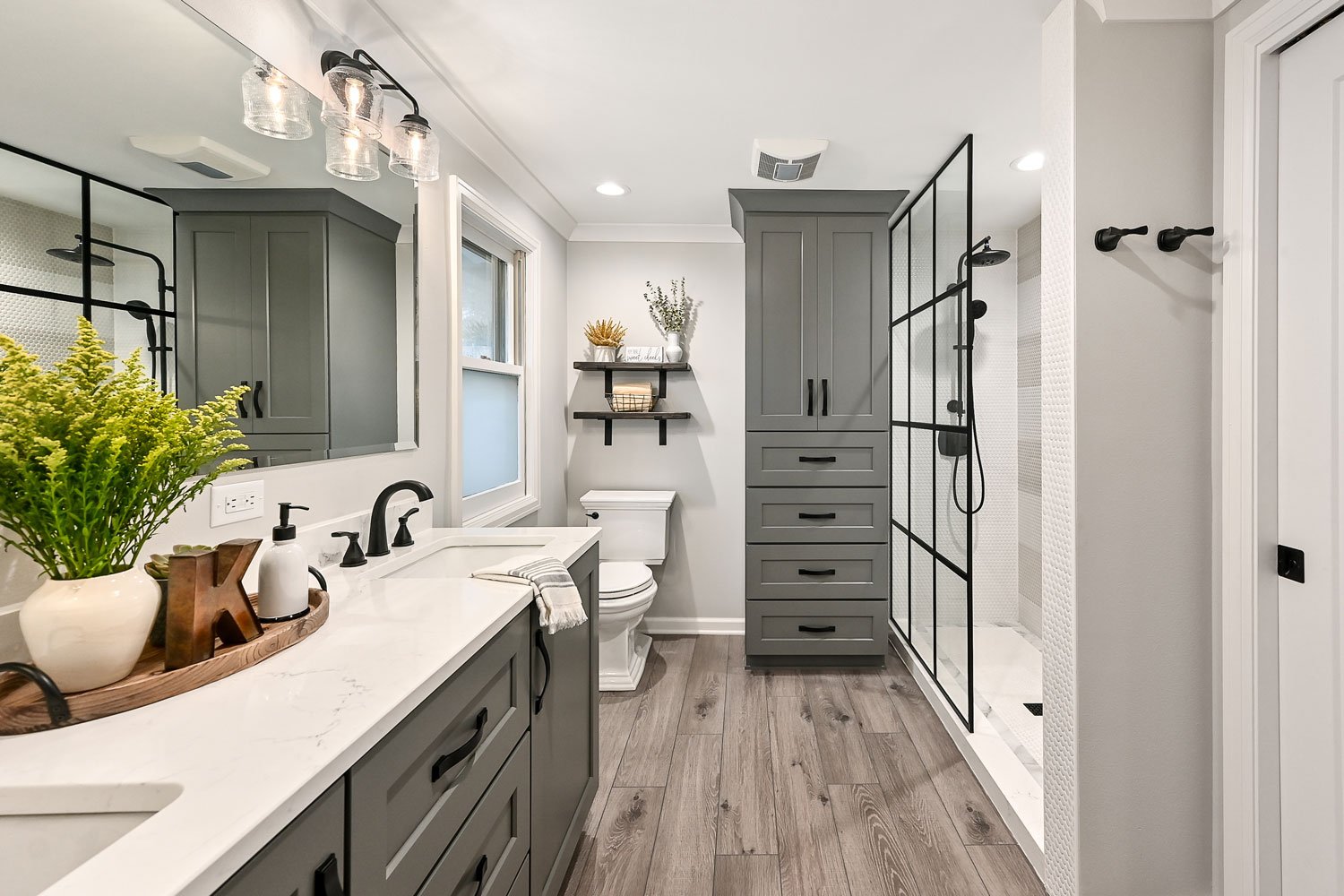
When homeowners consider renovating their residences, they frequently come across numerous renovation options designed for specific preferences and preferences. These options can be widely classified into several types, each addressing specific aspects of home improvement. Renovating the kitchen involves upgrading equipment, cabinetry, and layouts to boost practicality and the look. Bathroom remodeling typically involves upgrading fixtures, the ceramic work, and organizational units for better convenience and design.
Complete residential remodeling includes extensive modifications to the entire house, often including structural alterations to optimize space and flow. Exterior remodeling services, on the other hand, aim to improve curb appeal, addressing siding, roofing, and the garden design. Additionally, specialized services such as completing the basement and upgrading the attic allow homeowners to maximize unused areas. All these service types offers unique benefits, enabling homeowners to choose options that align with their vision for their living environment. Knowing these variations is crucial to making informed decisions during the renovation process.
Establishing a Practical Spending Plan for Your Renovation Undertaking
What steps ensure their renovation work stays financially viable? Establishing a realistic budget is crucial. It is advisable for homeowners to begin by determining their fiscal limits, covering savings and possible funding sources. This preliminary action will help determine the amount that can be set aside for the renovation without jeopardizing other monetary duties.
Subsequently, property owners need to research the costs associated with their desired renovations, including materials, labor, and surprise expenses that tend to crop up. Creating a detailed list of priorities helps with separating necessities from non-essential items, allowing for adjustments if the budget tightens.
It is smart to incorporate a reserve fund, generally 10-20% of the entire budget, to handle unforeseen expenses. Frequently checking and modifying the budget during the renovation project can also help maintain financial control. Finally, a thoroughly prepared budget ensures the project is feasible and makes the whole updating experience better for property owners.
Choosing the Right Contractor for Your Needs.
Finding a suitable builder can significantly affect the success of a remodeling project. Property owners ought to start by performing extensive investigation, asking for referrals from friends, family, read the information or internet reviews. It is crucial to check qualifications, including licenses, insurance, and bonding, to establish credibility.
Once potential contractors are identified, property owners must ask for comprehensive quotes and schedules, facilitating well-grounded side-by-side evaluations. Discussions reveal their approach to dialogue and their level of expertise, which are essential for a collaborative process.
In addition, looking at completed jobs through galleries or recommendations can reveal a contractor's quality of workmanship. It is wise to question them regarding warranties or safeguards, indicating the builder's certainty about their services.
Ultimately, selecting a contractor who aligns with the homeowner’s vision, budget, and timeline leads to a more favorable updating process, making certain the outcome satisfies needs and successfully updates the home's interior.
Planning and Designing Your Ideal Space.
When property owners picture their perfect areas, meticulous organization and deliberate design are crucial elements of a successful remodeling project. The beginning stage requires reviewing existing necessities and future desires, which permits a comprehensive grasp of the room's intended function. It is important for homeowners to weigh functionality, visual appeal, and personal style, ensuring that the design reflects their distinctive choices.
Next, establishing a thorough budget is crucial. This budget should accommodate materials, workforce costs, and contingency funds. Engaging with design professionals can provide valuable insights, helping to optimize the space and respecting budgetary constraints.
Incorporating elements like ample daylight, open layouts, and sustainable materials can elevate the living environment. Lastly, seeing the project via mock-ups or 3D visualizations can assist in finalizing plans prior to construction. By thoughtfully tackling the design and planning stage, homeowners can create an inviting, efficient space customized for their needs.
Navigating Permits and Regulations in Residential Projects
Understanding the complexities of permits and regulations can be daunting for homeowners embarking on a renovation. Each municipality has specific rules that dictate what is permissible during renovations, typically guided by zoning laws, construction standards, and safety standards. It is essential for homeowners to understand local regulations to avoid costly fines or setbacks in the timeline.
In most cases, getting permits is mandatory for significant alterations, such as modifying load-bearing elements or electrical work. This process frequently requires submitting blueprints for approval and may require inspections at different phases.
Engaging a knowledgeable contractor can simplify this process, as they are typically experts in municipal rules and can aid in filing necessary forms. Homeowners should also keep communication open with the municipal planning office to ensure adherence throughout the project. By understanding and maneuvering through these requirements, homeowners can meet their renovation objectives and maintaining compliance with the law in their renovations.
Frequently Asked Questions
How Much Time is Needed for a Typical Remodeling Job?
The average remodeling job typically spans between three to six months, based on the size of the job, size of the home, and availability of materials. Complex projects may require additional time for completion.
What are the common mistakes that people make throughout the renovation process?
Frequent errors when renovating a home include failing to budget properly, neglecting permits, missing scheduled deadlines, not maintaining clear communication with the construction team, and not considering long-term functionality. Awareness of these pitfalls often results in a less stressful, more successful remodeling experience.
How should I go about choosing the appropriate materials for my renovation?
Selecting appropriate supplies involves evaluating how long they will last, the look and feel, and cost constraints. Investigating available choices, consulting professionals, and factoring in how much care they require will significantly help in reaching educated conclusions, ensuring the project aligns with personal and functional requirements.
Will I be able to reside in my property throughout the construction phase?
You are able to stay in the house during renovations, but it might cause disruption. Careful planning, clear communication with contractors, and creating defined spaces where you can live normally will reduce the inconvenience during the process.
What warranties should I expect from the renovation company?
You should anticipate receiving warranties that guarantee the quality of the work, materials, and structural components, which usually last between one to ten years. It is crucial to review the exact provisions alongside your builders to understand coverage and limitations fully.